

Electrical Safety Obligations for Perth Property Managers
| Stage | When | Duration | It depends on: |
|---|---|---|---|
| Planning & design | Before demolition | 1–2 sessions | Appliance specs, cabinetry layout, lighting plan |
| Switchboard upgrade (if needed) | During demolition | Half to full day | Before rough-in can begin |
| Rough-in | After framing, before plaster | Half to full day | Cabinetry layout confirmed, lighting plan signed off |
| Fit-off | After plaster and paint | Half to full day | Surfaces finished, joinery ready for final positions |
| Testing & certification | Before handove | 1–2 hours | All work complete, appliances installed |
Compliance and Safety
Three-phase power installation is not a DIY job. It requires:
- A licensed electrician to carry out all work. In Western Australia, all electrical work must be performed by a licensed electrical contractor (EC15546 for Northman Electrical Services).
- Compliance with AS/NZS 3000 (Wiring Rules) and all relevant Western Australian electrical regulations.
- Safety checks before and after the upgrade – including insulation resistance testing, polarity checks, and earth fault loop impedance testing.
- Written compliance documentation – COES certificate of electrical safety, plus test results and load calculations. Commercial properties should keep these records on file for insurance, audit, and facilities management purposes.
Property managers in Perth must ensure the electrical safety of the premises they manage: compliant smoke alarms, functional RCDs on all required circuits, test and tag of any supplied equipment, and documented records of every inspection and test. These obligations apply under WA residential tenancy laws and Work Health and Safety regulations. They sit with the property manager, even when the owner must fund the work.
The line between "the owner pays" and "the manager ensures" is where most compliance failures happen.
The Core Obligations at a Glance
For every managed property, the electrical safety baseline is:
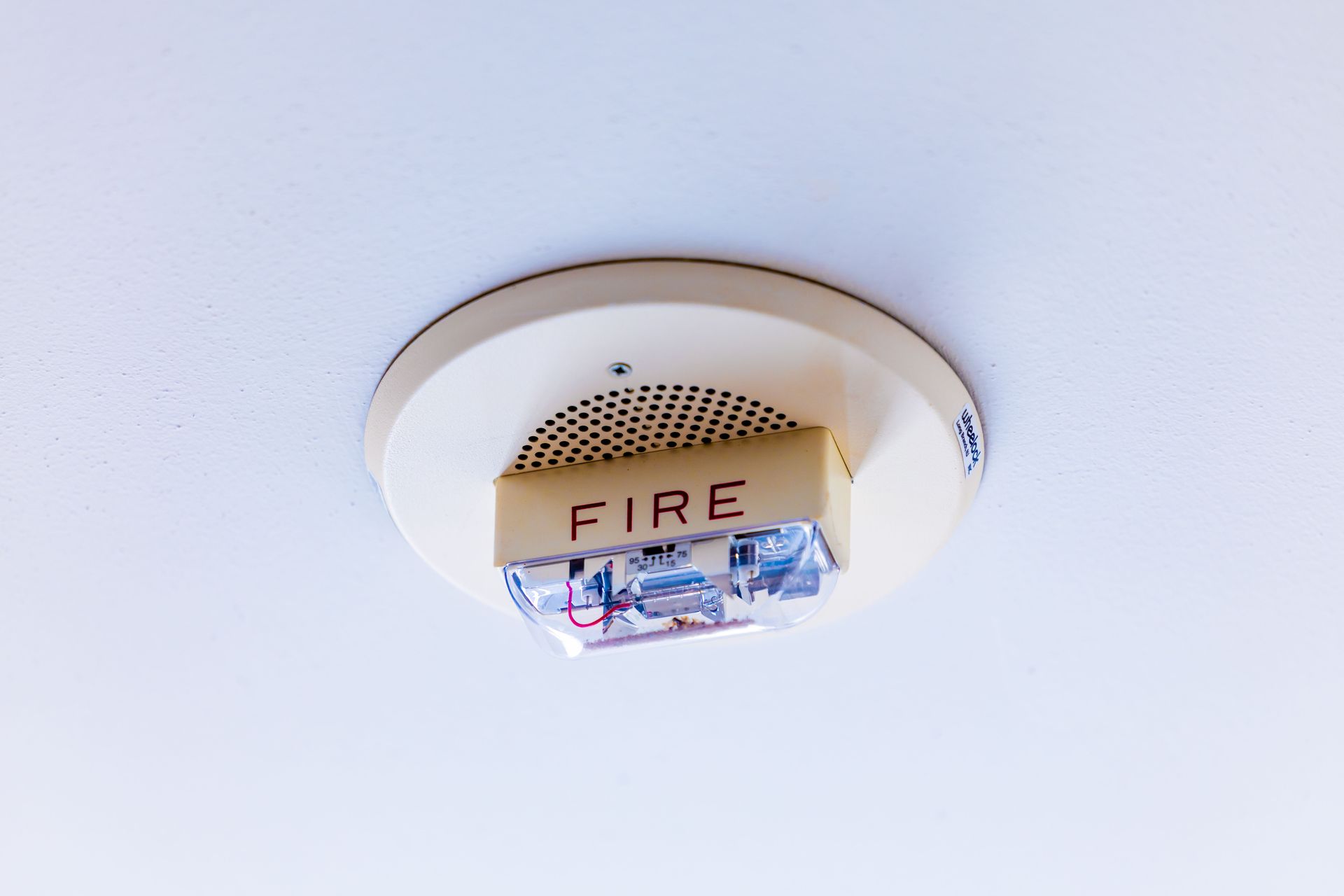
- Smoke alarms: compliant, mains-powered (or 10-year non-removable battery where mains power isn't available), photoelectric, less than 10 years old, working at the start of every tenancy.
- RCDs (safety switches): two or more, protecting all power and lighting circuits, tested regularly.
- Electrical fixtures: powerpoints, switches, lighting, and fixed appliances maintained in safe working order.
- Any supplied equipment: test and tag applies if the tenancy includes appliances or equipment provided by the owner.
- Documentation: dated records of every inspection, test, and rectification, kept and accessible.
Smoke Alarms: The Highest-Risk Obligation
This is the one that keeps property managers up at night, and for good reason. Smoke alarm non-compliance in a rental property carries real consequences, and it's the first thing checked after any fire-related incident.
Under WA law (Building Regulations 2012 and the Residential Tenancies Act):
- Every dwelling sold, leased, or hired must have compliant smoke alarms before the property is made available.
- Alarms must be mains-powered in most circumstances (10-year non-removable battery types only where mains connection isn't feasible).
- Alarms must be photoelectric.
- Alarms must be less than 10 years old; check the manufacture date on the back, not the install date.
- Alarms must be in working condition at the start of each tenancy, and the tenant must be given written information about testing.
For property managers, there are practical implications:
- Every tenancy changeover is a smoke alarm compliance event; alarms need checking before the new tenant moves in, not after.
- Villa and unit complexes need a coordinated approach; a single non-compliant alarm in a complex puts the whole property at risk.
- Records matter. A dated, photographed check at each changeover is your evidence if a dispute arises later.
RCD Requirements
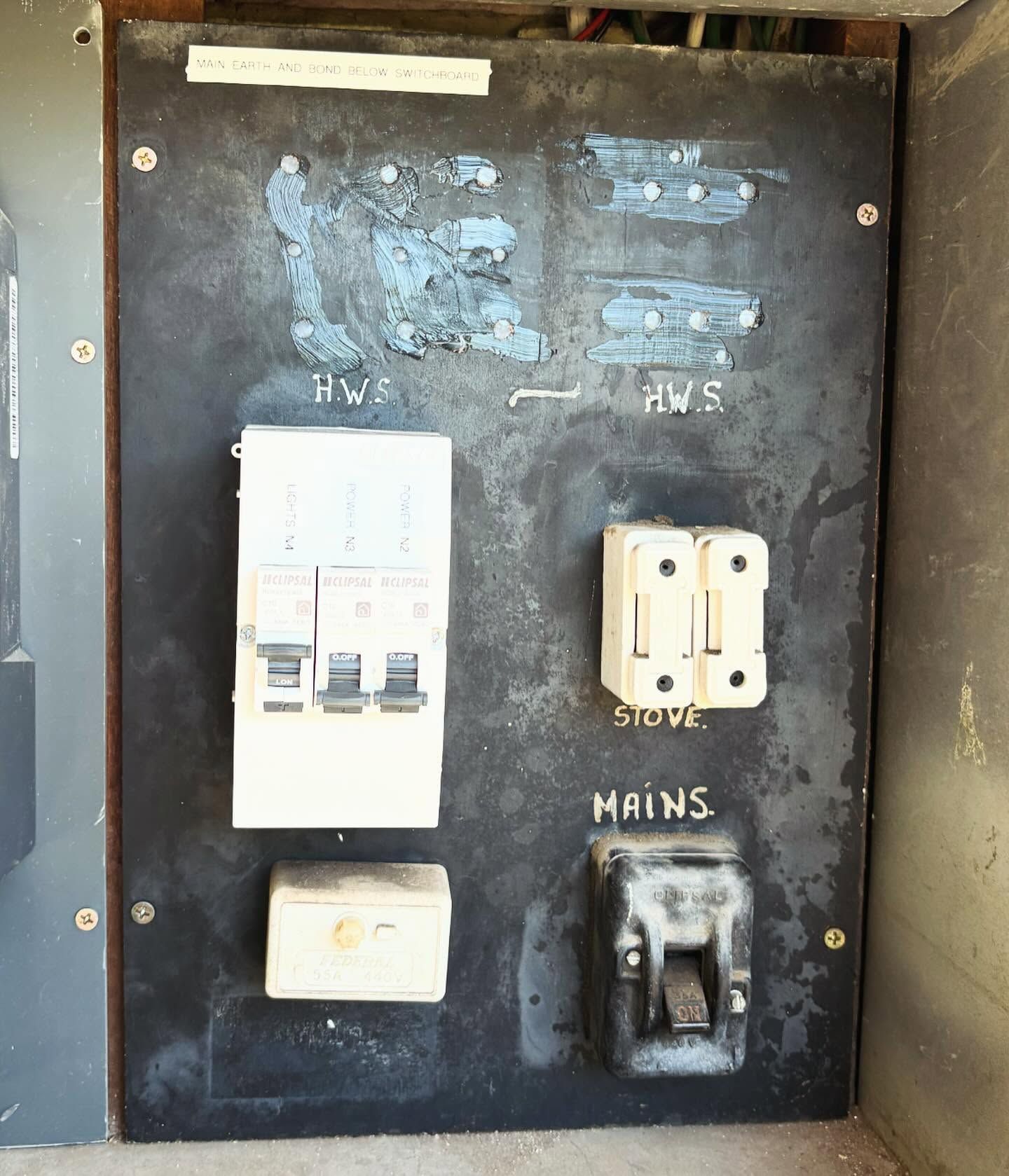
Western Australia requires a minimum of two RCDs protecting all power and lighting circuits in residential properties. This has been the standard since 2000 for new builds, with retrospective requirements applying at property sale or tenancy renewal.
Important for property managers:
- Confirm RCD coverage before every new tenancy. The requirement starts at leasing.
- Routine inspections with test-button checks identify clear failures. (A switch that won't trip is a safety switch that isn't protecting anyone)
- Compliance is achieved when trip-time testing is performed on a schedule and professionally. A licensed electrician can test with calibrated equipment and document the results,
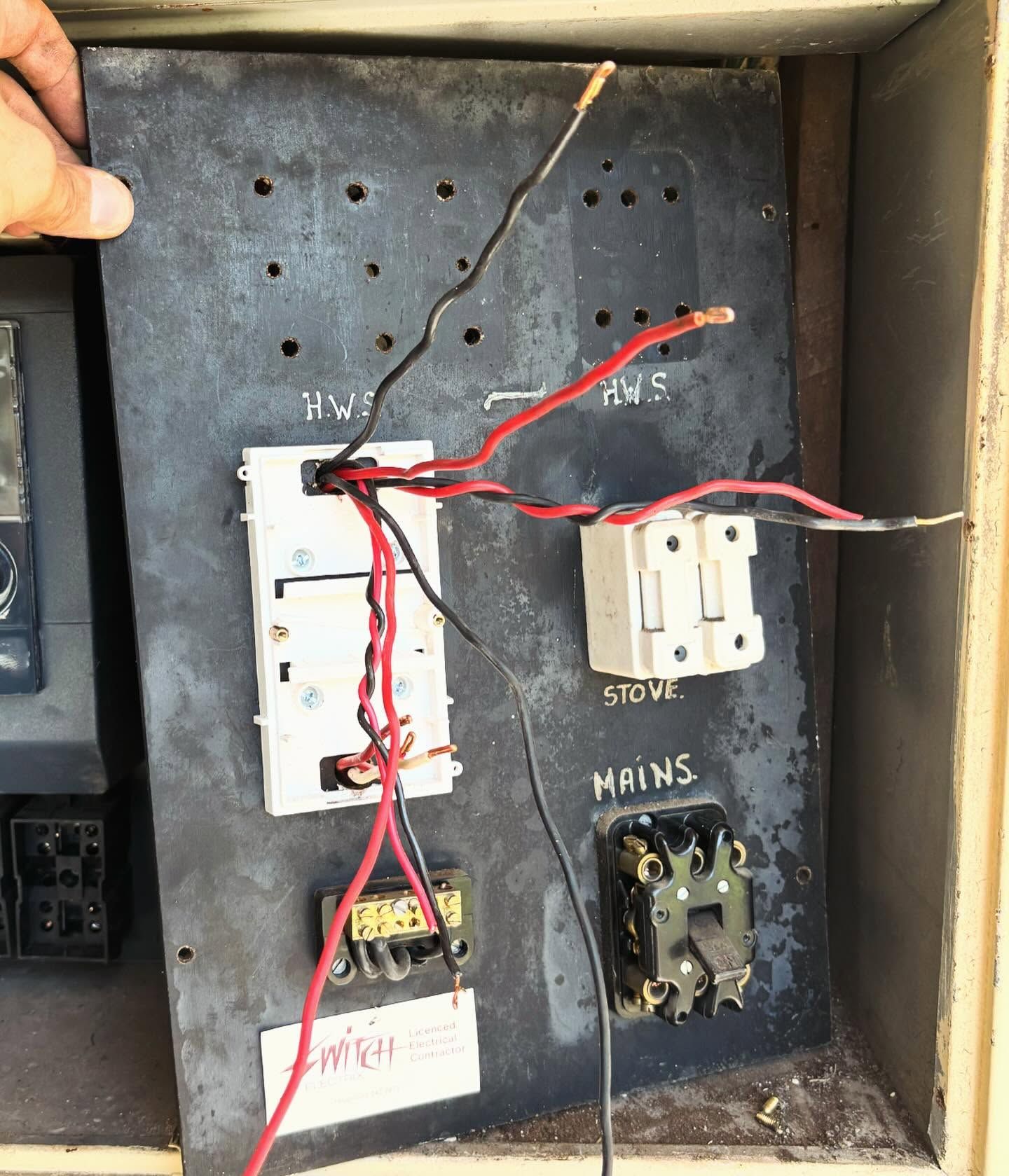
- If a property has an old switchboard with ceramic fuses or partial RCD coverage, flag it to the owner; an upgrade will be required at the next sale or lease event anyway.
Test and Tag: When It Applies to Managed Properties
Test and tag obligations apply to portable electrical equipment supplied with a tenancy: appliances, leads, or equipment the owner provides. In practice, this most often happens with:
- Furnished apartments and corporate rentals
- Holiday and short-stay accommodation
- Community facilities in complexes (barbecues, shared laundry equipment)
- Retirement village common areas
The inspection intervals are as follows: every 3 months for equipment operating in harsh environments, every 6 months for most commercial-use devices, and every 12 months for those in low-risk settings. Items that pass inspection receive a dated tag, while those that fail are taken out of service.
For most residential tenancies with no supplied equipment, test and tag doesn't apply, but common areas and facility equipment in complexes almost always do.
Compliance at Tenancy Changeovers
Every tenancy changeover marks the moment when all responsibilities are renewed at the same time. An effectively managed changeover includes:
- Smoke alarm check: compliant type, under 10 years old, working, cleaned, and documented with a dated record
- RCD check: all switches present, test-button functional
- Visual electrical inspection: power points, switches, and fixtures undamaged; no exposed cabling; no DIY electrical work evident (it happens more than you'd think)
- Supplied equipment check: any owner-supplied appliances present, tagged, and in test date
- Documentation: a dated, itemised record of the above, filed against the property
This is the minimum effort to meet compliance requirements. A scheduled program allows you to identify issues at each changeover as the property's electrical compliance is monitored on a fixed calendar, with a single electrician handling the portfolio.
The Property Manager's Documentation Duties
Records are what turn maintenance into compliance. For each managed property, the file should include:
- Smoke alarm compliance records (type, manufacture date, test dates)
- RCD test results with dates and trip times
- Test and tag registers for any supplied or common-area equipment
- COES certificates for any electrical work carried out
- Routine inspection notes covering electrical fixtures
If an incident ever occurs (a fire, an electrocution injury, an insurance dispute), the property manager's protection is the paper trail. "We checked on this date and here's the record" is a defensible position. "We usually have a look at the alarms when we do inspections" is not.
Are property managers legally responsible for electrical safety in WA?
Property managers are responsible for ensuring the properties they manage meet electrical safety obligations — compliant smoke alarms and RCDs at minimum — under WA residential tenancy laws and Work Health and Safety regulations. The owner typically funds the work, but the manager's duty is to ensure it happens and is documented.
How often do smoke alarms need checking in a rental property?
Smoke alarms must be working and compliant at the start of every tenancy, and tenants must be given written information about them. Best practice for property managers is a documented check at every tenancy changeover and at each routine inspection — a 10-minute check that protects against one of the highest-liability failures in property management.
How old can a smoke alarm be before it must be replaced?
Ten years from the date of manufacture — not the date of installation. The manufacture date is printed on the back or side of every alarm. Alarms past 10 years must be replaced, and replacements must be photoelectric and mains-powered where mains power is available.
Do rental properties in WA need RCDs on all circuits?
Yes — WA requires a minimum of two RCDs protecting all power and lighting circuits in residential rental properties. The requirement attaches when a property is sold or leased. Test-button checks at routine inspections catch obvious failures, but professional trip-time testing with calibrated equipment and documented results is the compliance-grade standard.
What electrical records should a property manager keep for each property?
Smoke alarm compliance records (type, manufacture date, test dates), RCD test results with trip times, test and tag registers for any supplied or common-area equipment, COES certificates for all electrical work, and routine inspection notes covering electrical fixtures. These records are the property manager's protection if an incident, dispute, or insurance claim arises.
Managing a Property Portfolio in Perth? A scheduled electrical compliance program ( smoke alarms, RCD testing, changeover checks, and full documentation) turns electrical safety from a changeover-day scramble into a fixed calendar.
We run these programs for property managers and real estate agencies across Perth's northern and southern suburbs, with consistent reporting across every property.
Call Ollie on 0414 461 920 or send an online enquiry to book a consultation.
Serving your area? Check this page to see if we can come to you.
Northman Electrical works across:
- Commercial kitchens and catering venues – three-phase power, equipment circuits, fault response, and preventive maintenance
- Real estate and property management – compliance checks, RCD testing, pre-lease inspections, and tenancy changeover work
- Retail and commercial shops – fitouts, lighting, switchboard upgrades, and fault finding
- Renovation and construction – rough-in planning, fitout sequencing, and compliance certification
- Retirement villages and aged care – RCD testing, emergency lighting, and scheduled maintenance programs
Got a project planned? Talk to our team to see if we can help!